
 po polsku
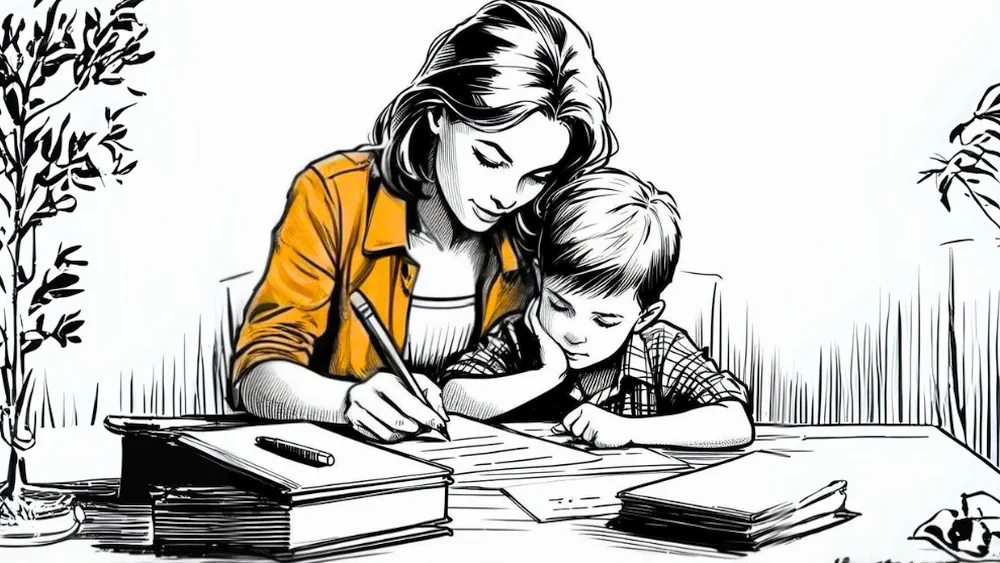 Illustration: bing.com/create
Dyslexia is not an illness and is not related to intelligence levels - people with this disorder can be exceptionally talented in other areas. Early recognition of symptoms and appropriate educational support are crucial for the child`s success in school and everyday life.
Symptoms of Dyslexia. What to Watch For
Symptoms of dyslexia can vary and change depending on the child`s age. In preschool, there may be issues with recognizing letters, difficulties in rhyming words, or delays in speech development. In primary school, dyslexia manifests as problems with learning to read - the child may confuse letters, struggle with fluent reading, and make numerous spelling mistakes despite following rules.
“Often, dyslexia in a child presents in several forms simultaneously. Therefore, observing the child is very important, and when parents or teachers notice concerning symptoms, they should consult a psychological and pedagogical clinic,” explains special educator Magdalena Paźniewska, a dyslexia specialist from the Familijna Poradnia Psychologiczno-Pedagogiczna in Wrocław and an expert from the #MAMYNATORADĘ advisory platform, managed by the National Educational Operator Foundation. “A professional diagnosis will clearly confirm or exclude suspicions. In the first case, it will help immediately develop and implement solutions that will allow the child to avoid many additional difficulties and stress in the future.”
Diagnosing Dyslexia. Time Matters
This disorder can have various causes, including genetic predispositions, neurological disorders, and environmental factors, such as a lack of appropriate educational stimuli in early childhood.
“There is also the concept of acquired dyslexia. This occurs when a child who previously had no problems with writing, reading, or counting suddenly develops difficulties. This can happen due to strong emotions, trauma, or injury,” explains Magdalena Paźniewska.
The earlier appropriate steps are taken, the greater the chances of alleviating learning difficulties. In Poland, diagnosing dyslexia is possible through specialized psychological and pedagogical assessments that evaluate reading, writing, and other cognitive functions.
As the expert from the National Educational Operator Foundation emphasizes, it is important for parents and teachers to be aware of the symptoms of dyslexia and to pay attention to any concerning signs. However, it often happens that learning difficulties are trivialized or attributed to the child`s laziness, which delays diagnosis and appropriate support.
Supporting the Child. Living with Dyslexia
Children with dyslexia require a specialized educational approach. Many therapeutic and instructional methods exist to help overcome difficulties. One of the most important elements is an individualized approach to the child, adjusting the pace of learning and using methods that engage various senses in the learning process.
Parents play a key role in this process. From active collaboration with teachers and specialists to providing emotional support for the child. Regular reading with the child, exercises to improve concentration, and motivating them to learn can significantly influence the child`s progress. Remember that dyslexia is a challenge but not an obstacle to success.
Many well-known individuals, such as Albert Einstein, Leonardo da Vinci, and Steven Spielberg, had dyslexia and still achieved great success in their fields.
Tips for Parents:
- Observe the child for difficulties in reading, writing, and remembering sequences, as these may be potential symptoms of dyslexia.
- Adjust teaching methods to the child`s needs by using a multisensory approach that engages different senses in the learning process.
- Maintain regular contact with teachers and specialists to collaboratively develop an effective educational plan.
- Encourage the child to learn and build their self-confidence to help them cope with difficulties and develop their talents.
This advice is part of the #MAMYNATORADĘ social project, aimed at supporting parents in caring for their children`s proper development. Free guides for parents are developed by experienced educators, child psychologists, and speech therapists with practical experience in schools and kindergartens: https://operator.edu.pl/pl/poradnia
The project is run by the National Educational Operator Foundation. It is funded by voluntary donations and 1.5% income tax deductions.
The media patron of #MAMYNATORADĘ is the weekly Reporterzy.info


COMMERCIAL BREAK

New articles in section Marketing and PR
How and why online stores lie. TrustMate report
Marek Jaworowski
Experts from the TrustMate.io platform analyzed the most common procedural errors and inaccuracies that lead Polish online stores to wrongly deny buyers their rights. They also prepared an appeal path for consumers who heard a refusal from customer service.
Online shopping in Poland. Report by the Chamber of Digital Economy
Patrycja Sołtysik, Izba Gospodarki Elektronicznej
For the fourth consecutive year, 100% of internet users declare making a digital purchase at least once, and 93% have shopped online in the last six months. 97% of purchases in Poland involve an internet-connected device at some stage - most commonly a smartphone.
Coffee for moms. This is how they recharge parents' batteries at the Wrocław children's hospital
Reporterzy support
24 hours, 7 days a week, for 3 months. Non-stop. That is the average time a mother spends in an oncology hospital, caring for her child during treatment. A new project has launched at the Przylądek Nadziei (Cape of Hope) children's oncology clinic in Wrocław. In a simple way, it helps parents reduce stress, calm their emotions, and boosts their energy for caregiving. And that directly translates into the effectiveness of the children's treatment.
See articles on a similar topic:
AI marketing versus AI-powered marketing
Karolina Łukasiewicz
How to distinguish a buzzword from artificial intelligence that actually increases business efficiency? Is every marketing strategy using algorithms truly driven by AI? No, because in many cases, AI marketing is merely the automation of specific, previously known processes.
Contextual Advertising in Print Media. PBC Measured Its Effectiveness
BARD
Print advertising, when placed in the appropriate editorial context, attracts 67% more attention than ads in other sections, according to research conducted for Polskie Badania Czytelnictwa (PBC). Contextual ads hold the reader’s gaze longer and engage them more deeply.
Marketing technologies in Poland. The state of MarTech report
KFi
Nearly half of marketers in Poland can`t clearly say whether their marketing technologies deliver a real return. Only 5% believe the results are "well above expectations", while 32% simply say: "hard to tell".
What to do when your child lies? Advice from a pedagogue
patronat Reporterzy.info
Does your little one invent outrageous stories, and you’re unsure how to react? Does your child tell friends that you’ve traveled the world and that your dog speaks with a human voice? A pedagogue explains how to handle such situations and avoid them in the future. The weekly Reporterzy.info is the media patron of the series.